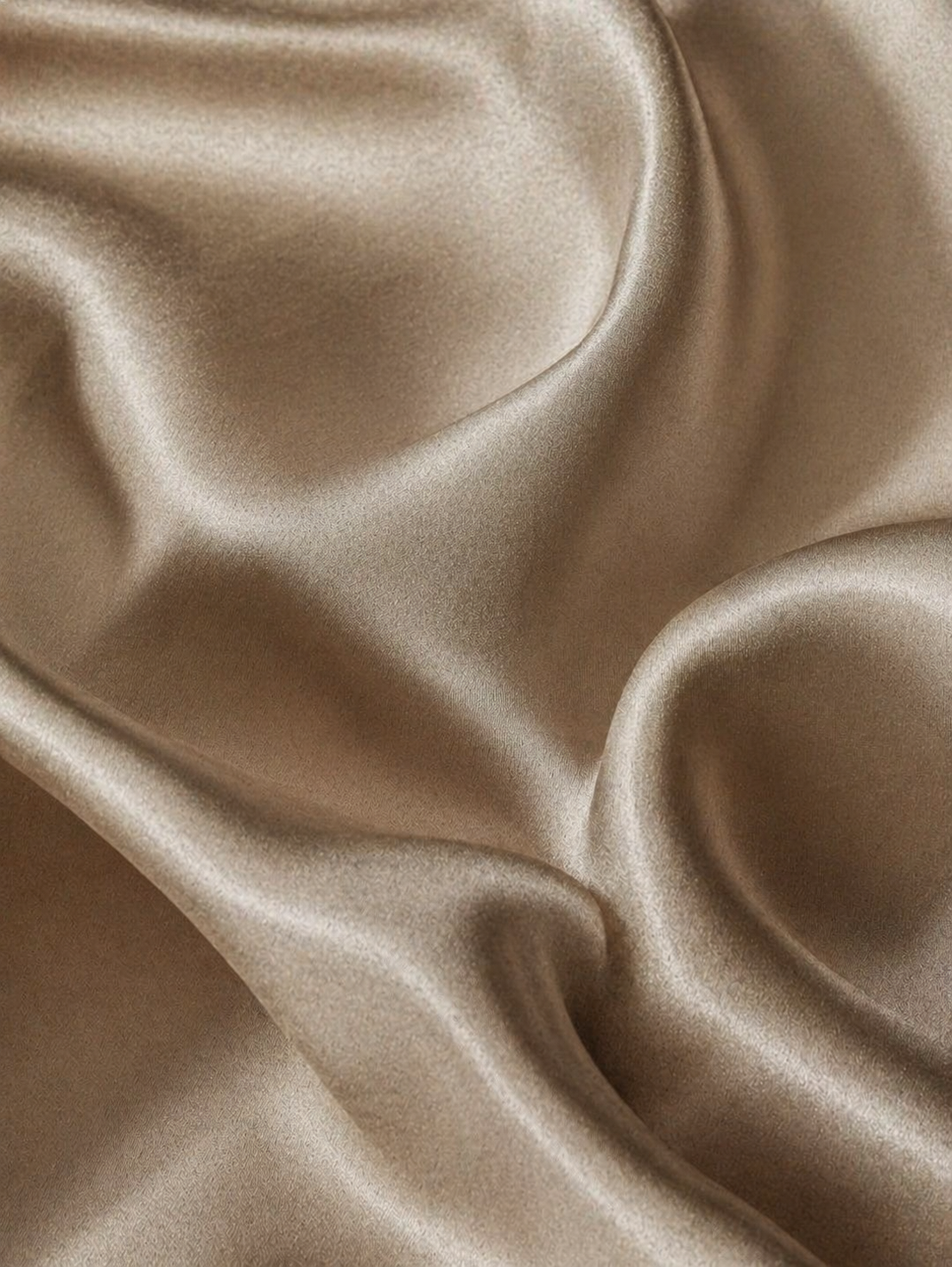
Silk is having a complicated moment. Consumer demand is strong — natural fibers are trending across every market segment, and silk’s combination of luxury feel, temperature regulation, and biodegradability puts it in an advantageous position. But the supply side is under more pressure than it has been in a decade, and the effects are visible in pricing, lead times, and quality consistency.
Here is what’s actually happening, and what it means if you’re sourcing silk for a 2026 or 2027 collection.
Raw Silk Supply Is Tightening
Sericulture — silkworm farming — has been declining in China for years as rural labor moves to urban manufacturing. The traditional silk-producing provinces of Jiangsu and Zhejiang have seen significant reduction in mulberry cultivation and cocoon production. Guangxi has partially compensated with increased volume, but the fiber quality from Guangxi is generally considered inferior to the Jiangsu-Zhejiang production that built China’s silk reputation.
The practical result is that Grade 5A and 6A raw silk — the fiber grades that produce the fabrics worth specifying — has become more expensive and, at certain times of year, harder to secure in quantity. Mills that work predominantly with premium-grade fiber are managing allocation carefully. This is not a crisis, but it is a structural shift that experienced buyers are planning around.
What This Means for Pricing
Fine silk fabric pricing has increased meaningfully over the past two years. Where a 30-momme charmeuse might have been priced at a certain level in 2023, the equivalent fabric in 2026 costs noticeably more — and the mills producing it are less willing to negotiate on price than they were previously, because demand from luxury brands has absorbed much of their capacity.
The lower end of the silk market has not been affected in the same way. Low-momme fabrics using blended or lower-grade fiber remain inexpensive and available. The gap between the price of genuinely premium silk and commercial silk is wider than it has ever been.
The Mills Worth Knowing
The silk mills in Suzhou and Hangzhou that have maintained their reputation over decades are operating at capacity. Many of them do not accept new clients without an introduction or an established track record of orders. This is not arrogance — it is the rational behavior of a producer whose output is in demand and whose quality depends on relationships with buyers who understand what they are buying.
The mills that are easily accessible — quick to respond to cold inquiries, willing to send samples without a conversation — are, with rare exceptions, not producing the fabrics that define luxury silk garments. They are producing fabric that looks like silk in a photograph and behaves like it in a showroom and disappoints in production.
Where the Interesting Development Is Happening
Several mills in Zhejiang are investing seriously in sustainable silk production — reduced water processing, natural degumming, plant-based dyes — in response to demand from European and American luxury brands with public sustainability commitments. The fabrics coming out of these programs are genuinely interesting: they handle differently from conventional processed silk, and the variation in natural color adds something that synthetic dye processes cannot replicate.
Peace Silk — also called Ahimsa silk, produced without killing the silkworm — has moved from a niche ethical product to a specification being requested by mainstream contemporary brands. Quality has improved significantly as production scale has increased. It remains more expensive than conventional silk and has a slightly different hand feel, but the gap has narrowed.
What Designers Should Do Now
If you are planning a silk-heavy collection for a future season, start the sourcing conversation earlier than you think you need to. Sample lead times at premium mills are running longer than they were two years ago. Allocating production capacity requires a relationship and some advance notice.
If you are working with silk for the first time, invest in understanding momme weights and fiber grades before you look at prices. The difference between a 16-momme and a 30-momme charmeuse is not just weight — it is drape, durability, dyeability, and the way the garment looks on the body after six months of wear.
And if you are being offered silk at a price that seems too good, it almost certainly is.
Questions about a fabric you’re currently evaluating? Write to us at info@AltaSeta-Fabrics.com — we’re glad to help you think through what to test and what to look for.